
Derek Santangelo, Installation & power writer
Most of the returns I read about in reviews start with a number nobody checked. The cut-out was an inch too shallow. The plug-in insert turned out to want a dedicated 20-amp circuit. The heater was sold as warming 1,000 square feet and barely took the chill off one room.
So that's where I spend my time: the installation and electrical pages of the manual, the framing diagrams, and the fine print under the heater rating. I line up the cut-out width, height and depth of every insert in a ranking, note which ones ship with a plug and which are hardwire-only, and set what the listing promises about heat next to what the manual actually says.
I write the guides on power requirements, recessed installation and what a 1,500 W heater can cover. I'm not an electrician and I don't pretend to be one. When a job needs a licensed electrician or a permit, the guide tells you before you buy, not after.
Heat output is where I'm most stubborn. A square-footage claim with no wattage behind it doesn't count for much with me.
Areas of expertise
- Recessed cut-outs and framing dimensions
- Plug-in vs hardwired: outlets and circuits
- Heater output: what 1,500 W covers
- Reading the electrical pages of a manual
How I work
- I compare the cut-out and framing dimensions in the installation manual, not only the outside size in the listing.
- I check the plug type, the amp draw and the circuit the manual asks for, and I flag the models that are hardwire-only.
- I read every heating claim next to the wattage. 1,500 W is 1,500 W, whatever the box says about square feet.
- When a manual is revised or a newer version of a model appears, I update the dimensions in the guide.
Articles by Derek Santangelo
Written
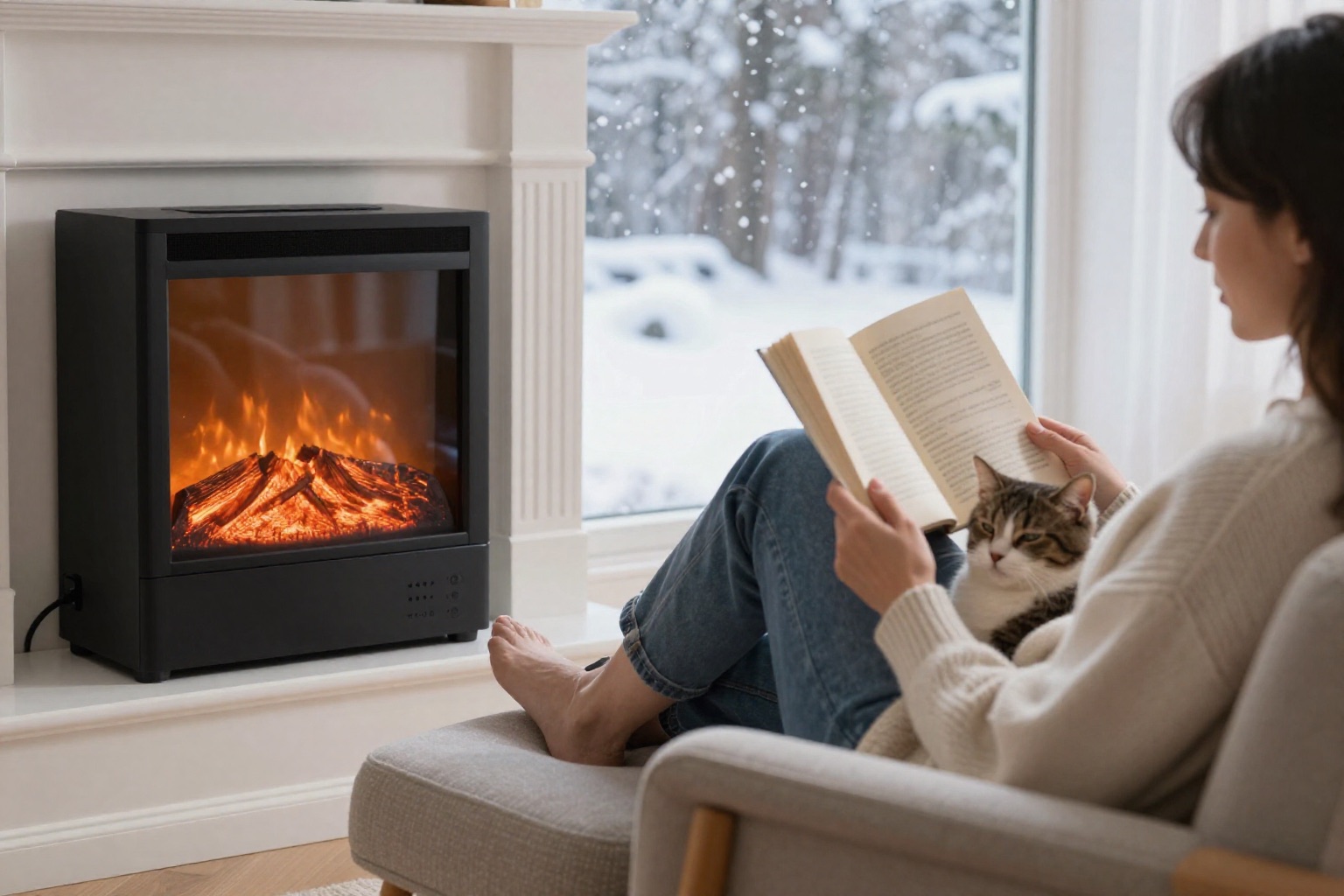 Inserts
What can a 1,500 W electric fireplace heat?
What can a 1,500 W electric fireplace heat: practical sizing, equipment and exact-model checks, with clear limits on listing claims.
Read the guide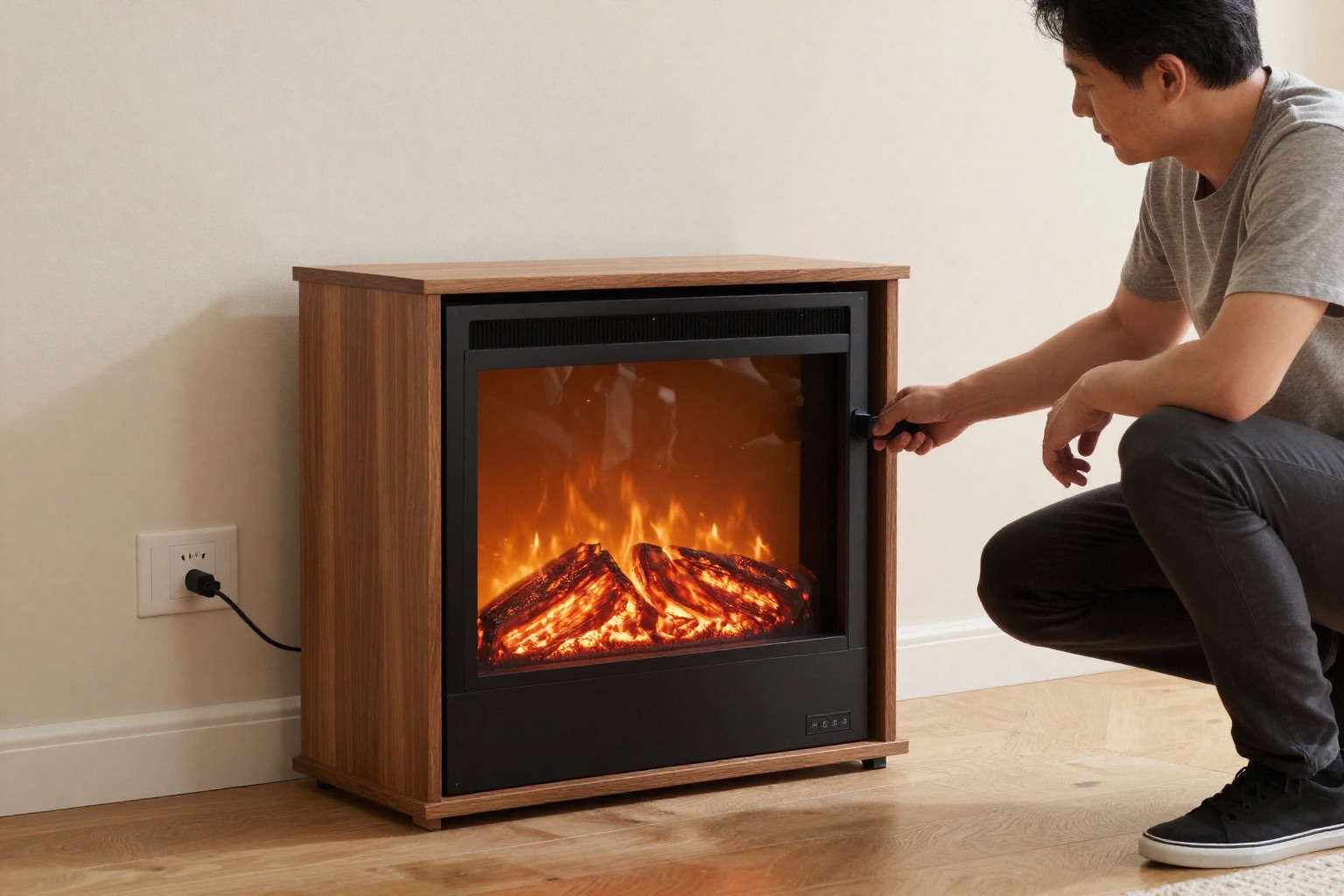 Inserts
Electric fireplace power requirements explained
Electric fireplace power requirements explained: practical sizing, equipment and exact-model checks, with clear limits on listing claims.
Read the guide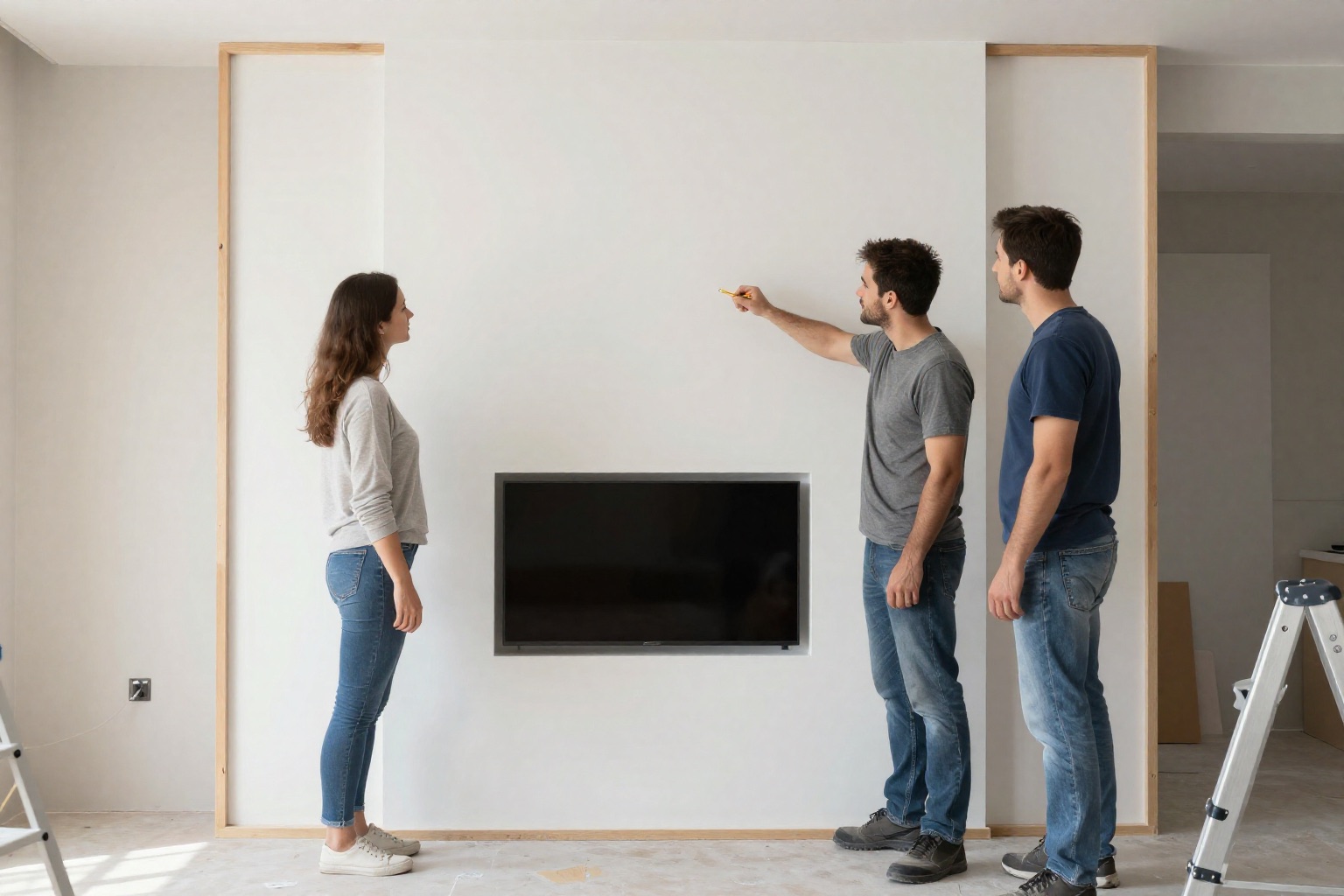 Inserts
Planning a recessed electric fireplace
Planning a recessed electric fireplace: practical sizing, equipment and exact-model checks, with clear limits on listing claims.
Read the guideEdited
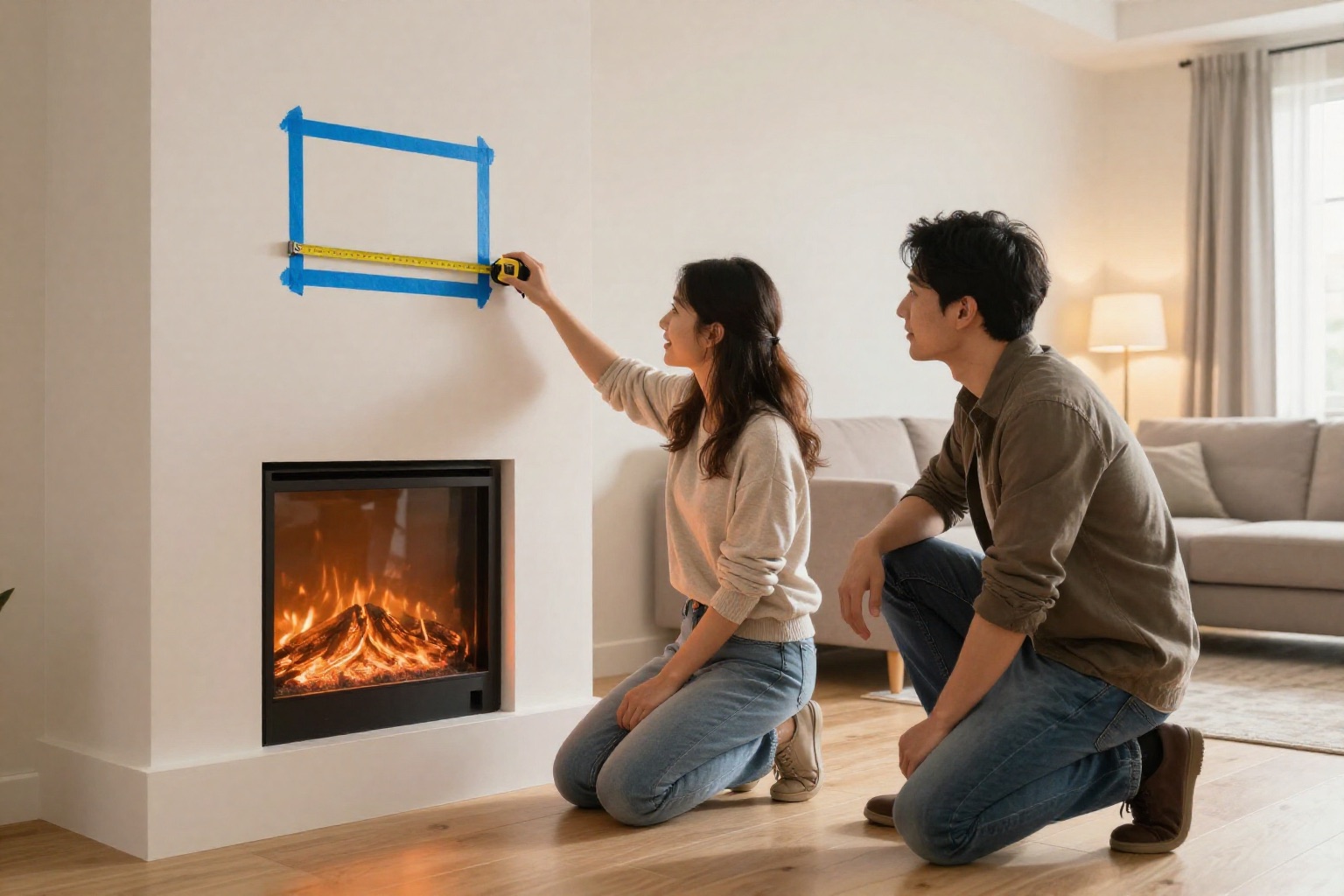 Inserts
How to choose an electric fireplace
How to choose an electric fireplace: practical sizing, equipment and exact-model checks, with clear limits on listing claims.
Read the guide Mantel packages
Electric fireplace flame effects and controls
Electric fireplace flame effects and controls: practical sizing, equipment and exact-model checks, with clear limits on listing claims.
Read the guideHow we compare and rate the fireplaces is explained on How we rate. The rest of the team: Our editors.