This guide separates published equipment facts from the measurements and decisions that belong to your room. We research listings and public documentation; we have not installed or physically tested these products. Use it to prepare a focused shortlist and the questions to take to the seller, manufacturer or qualified installer.
Watts describe input, not a guaranteed room size
A heater’s stated wattage provides a useful basis for comparing electrical input. It does not identify the temperature it will maintain in every room. The building loses heat through its envelope and through air exchange, while outdoor conditions change that loss. A sheltered interior room and a drafty addition can need very different amounts of heat despite having the same floor area.
For resistance heating, the Department of Energy explains that incoming electrical energy is converted to heat at the point of use. That statement is not a promise of low operating cost or a reason to ignore the building’s heat loss. It also does not make a decorative flame effect a heating feature. Compare the heater’s documented rating, not the visible firebox width or the brightness of the flame display, when considering supplemental warmth.

Understand what our planner assumes
Our supplemental-heat planner uses an explicitly simplified baseline of ten watts per square foot at an eight-foot ceiling. It scales that baseline with ceiling height and applies illustrative factors for good, average or poor insulation. Those labels are scenarios selected by the user, not building assessments produced by the website. The resulting figure is a discussion aid for understanding limits, not a heating-system design.
The planner compares the scenario with a 1,500 W reference and reports the corresponding approximate coverage under the same assumptions. Changing the room area, ceiling height or factor changes the result. Actual performance can still differ because the calculation does not include window specifications, air leakage, outdoor design temperature, solar gains or room-to-room airflow. A result below the reference means only that the simplified arithmetic is below it; it cannot certify that a particular fireplace will keep you comfortable.
Supplemental heat is a different goal from primary heat
Supplemental heating means adding warmth to a space that may already have another heating system. It does not mean replacing that system or guaranteeing that a fireplace can carry the room during the coldest conditions. Decide what you want to change: a chilly seating area, a room used for short periods, or a broader heating problem. The last case may call for building-envelope work or a different heating approach rather than a decorative appliance.
Avoid turning a disappointing room result into a plan to add more plug-in heaters. Household circuits, outlets and appliance instructions need their own assessment. A qualified professional can evaluate the room and electrical supply together. The fireplace’s thermostat also measures conditions at its sensor, which may not match the temperature at a distant chair. Treat temperature settings as operating controls, not independently verified whole-room measurements from our comparison.
Estimate cost with the actual rate and operating pattern
Running cost depends on the electricity consumed and your applicable tariff. Start with the appliance’s stated power and distinguish full-heater operation from flame-only operation. A thermostat may cycle the heater rather than keeping it at full power continuously, while tariffs can include time-dependent rates and other billing terms. Without those inputs, a fixed monthly savings claim would be misleading.
Use your utility’s current rate information and observe actual consumption with an appropriate method recommended for the equipment. Do not assume a cheap plug-in monitor or smart accessory is suitable for a high-load appliance. The Department of Energy distinguishes resistance heating from heat pumps, which can have a very different electricity-use profile. Our fireplace catalog does not establish which heating technology is best for your home; it helps compare the documented equipment after the practical heating objective is clear.
Keep the evidence with your buying decision
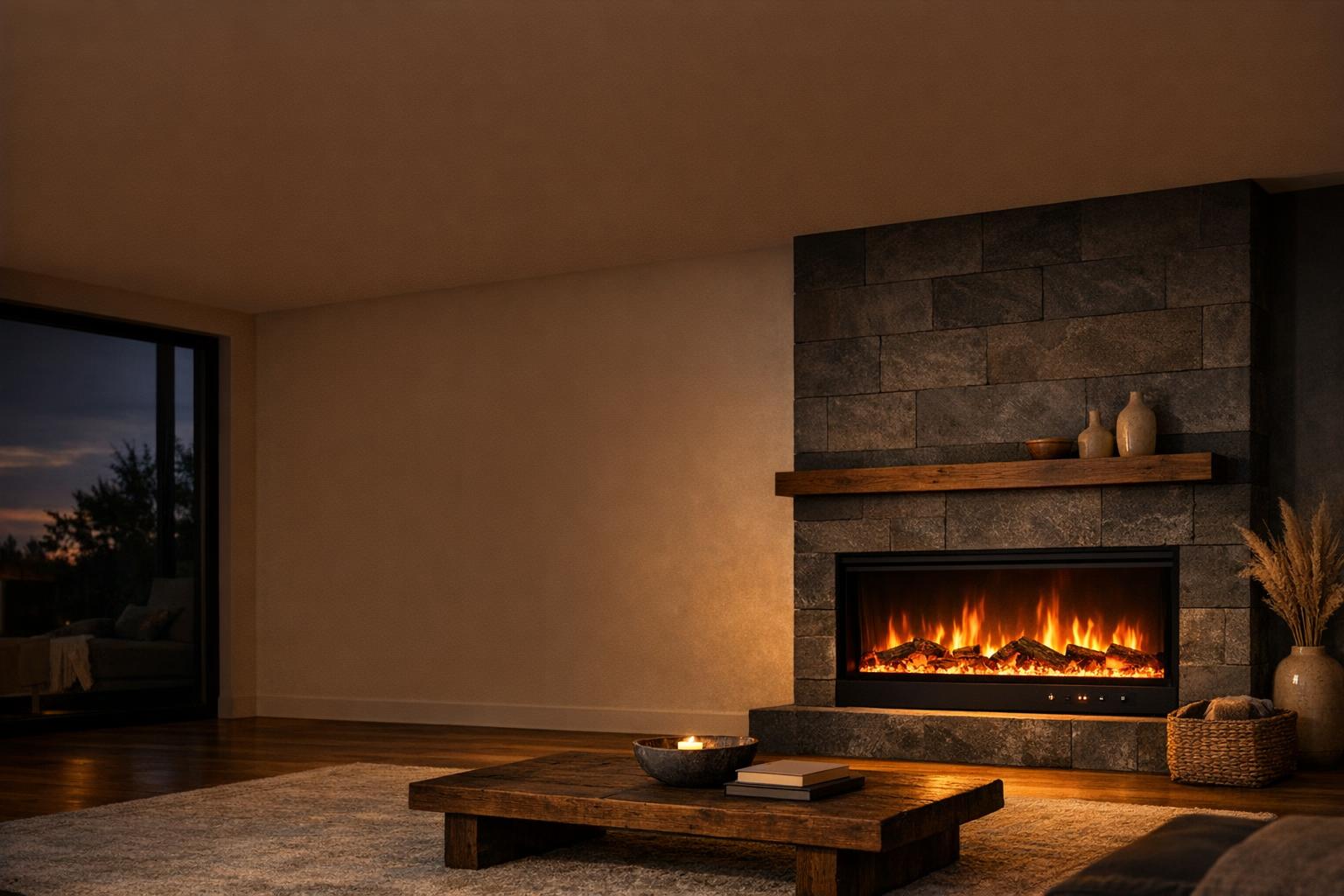
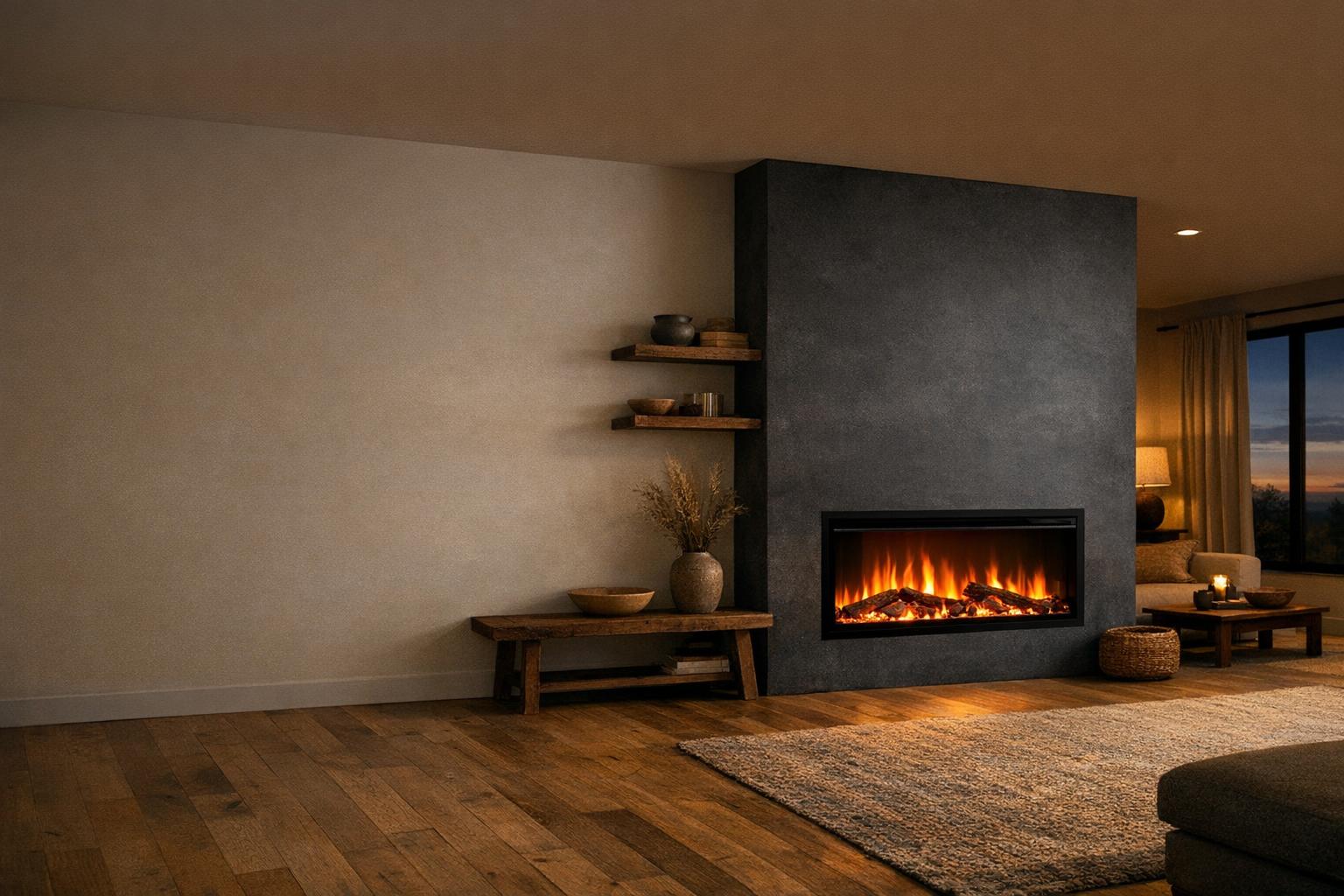
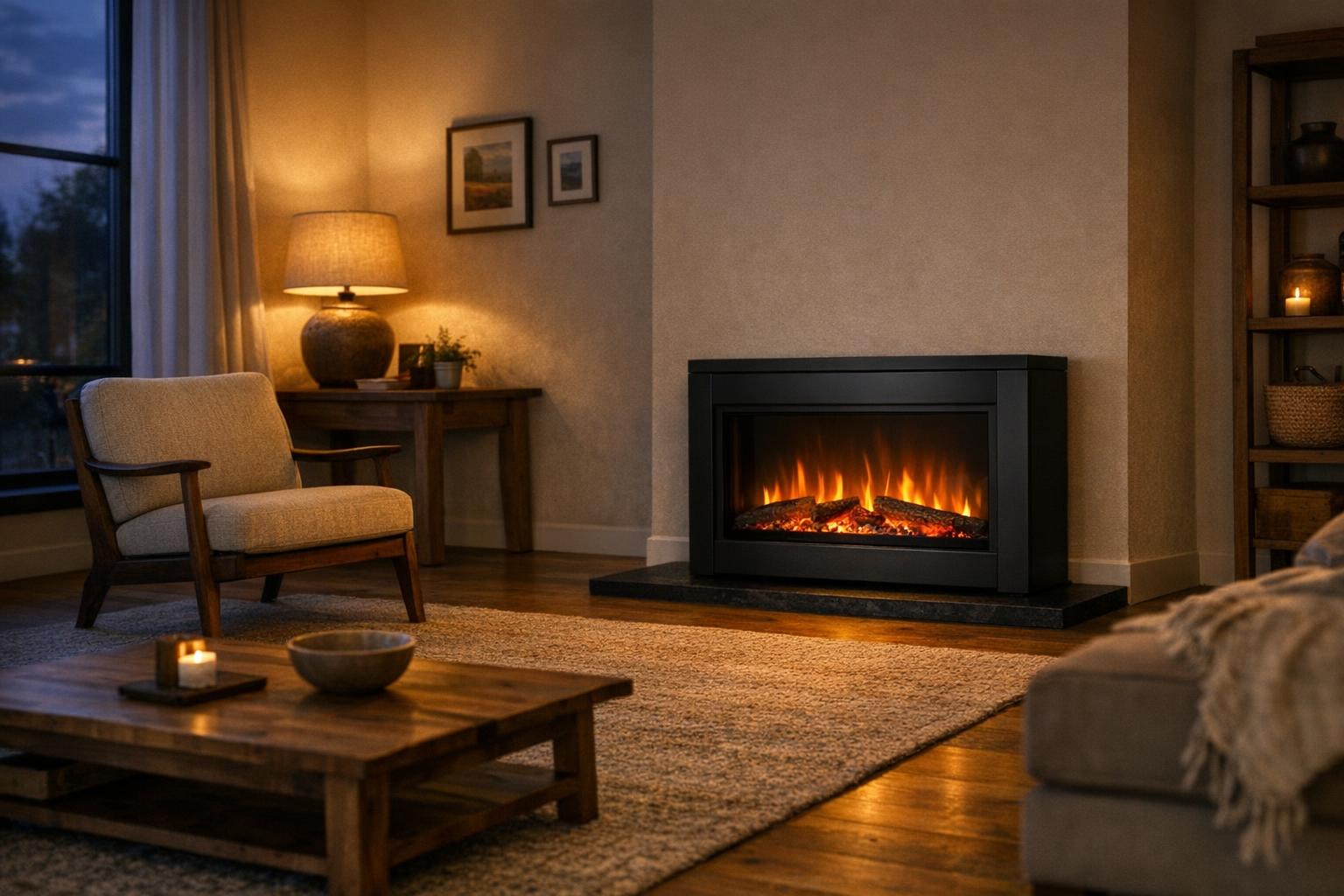
Keep a purchase record with the exact ASIN, selected size and finish, seller, model number and current manual. The source listing below is an example from our captured catalog, not evidence that every product in this category has the same features. Read the current product page again before ordering because a variation, included component or seller can change. Product photographs identify the listed item; the editorial room scenes on this site are generated illustrations, not photographs of a tested installation.
Our editorial rating combines a captured public Amazon average, its positive review count and documented attributes using the published methodology. It is not Amazon's own star rating and it does not replace a compatibility check. A popular model can still be the wrong width or installation type for your room. Product prices and media are hidden after their freshness deadline rather than extended from old observations. Check the current listing and obtain the missing information instead of interpreting an absent field as a negative product specification.
Continue with electric fireplace power requirements explained when resolving the next buying question. Our guide to electric fireplace flame effects and controls covers another part of the same decision, while how to choose an electric fireplace helps identify practical limits before ordering.